What “e.max” actually means
E.max is a brand of lithium disilicate glass-ceramic. It is popular for veneers because it can be made very thin while staying strong, and because it lets light pass through like natural enamel. That translucency is the difference between a smile that looks “done” and one that just looks healthy.
Why patients choose it
- Natural look: translucency and gloss similar to enamel
- Stain resistance: coffee, tea and wine don’t discolour it
- Conservative: often needs less tooth preparation than older, thicker porcelain
- Durable: strong enough for front teeth in normal function
How long do e.max veneers last?
Most sources quote 10–20 years for porcelain-type veneers. What decides where you land in that range: grinding at night (wear a guard), biting hard objects, gum health and regular cleanings.
Cost: US vs Colombia
| Per tooth | United States | Colombia |
|---|---|---|
| E.max / lithium disilicate veneer | $900 – $2,500 | $250 – $650 |
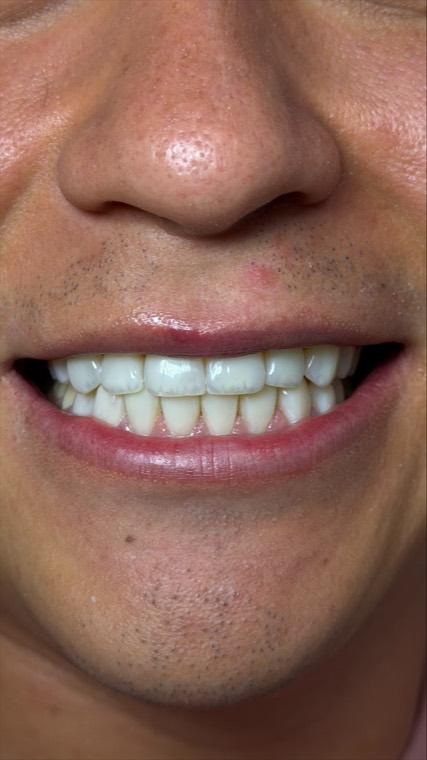
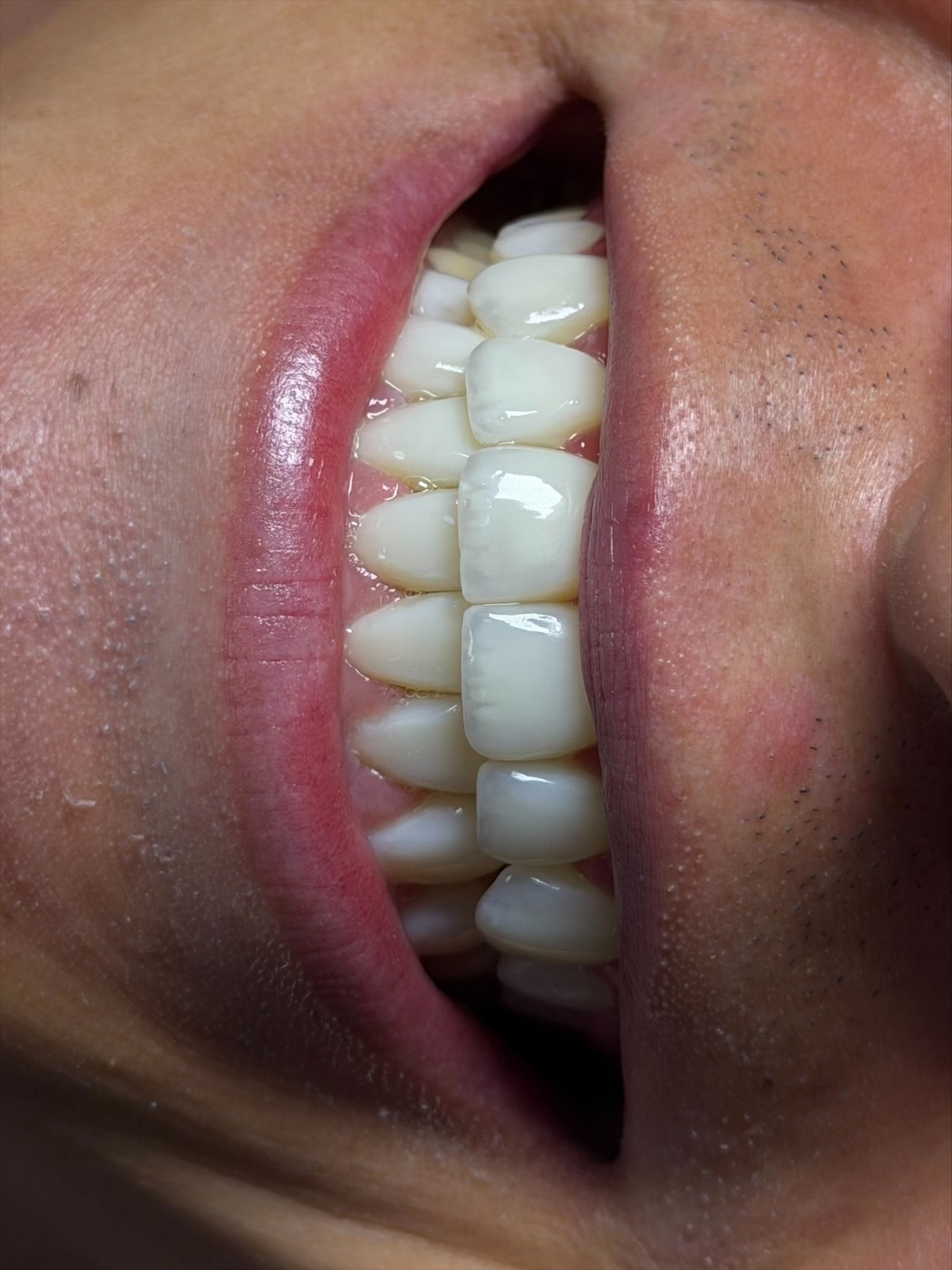
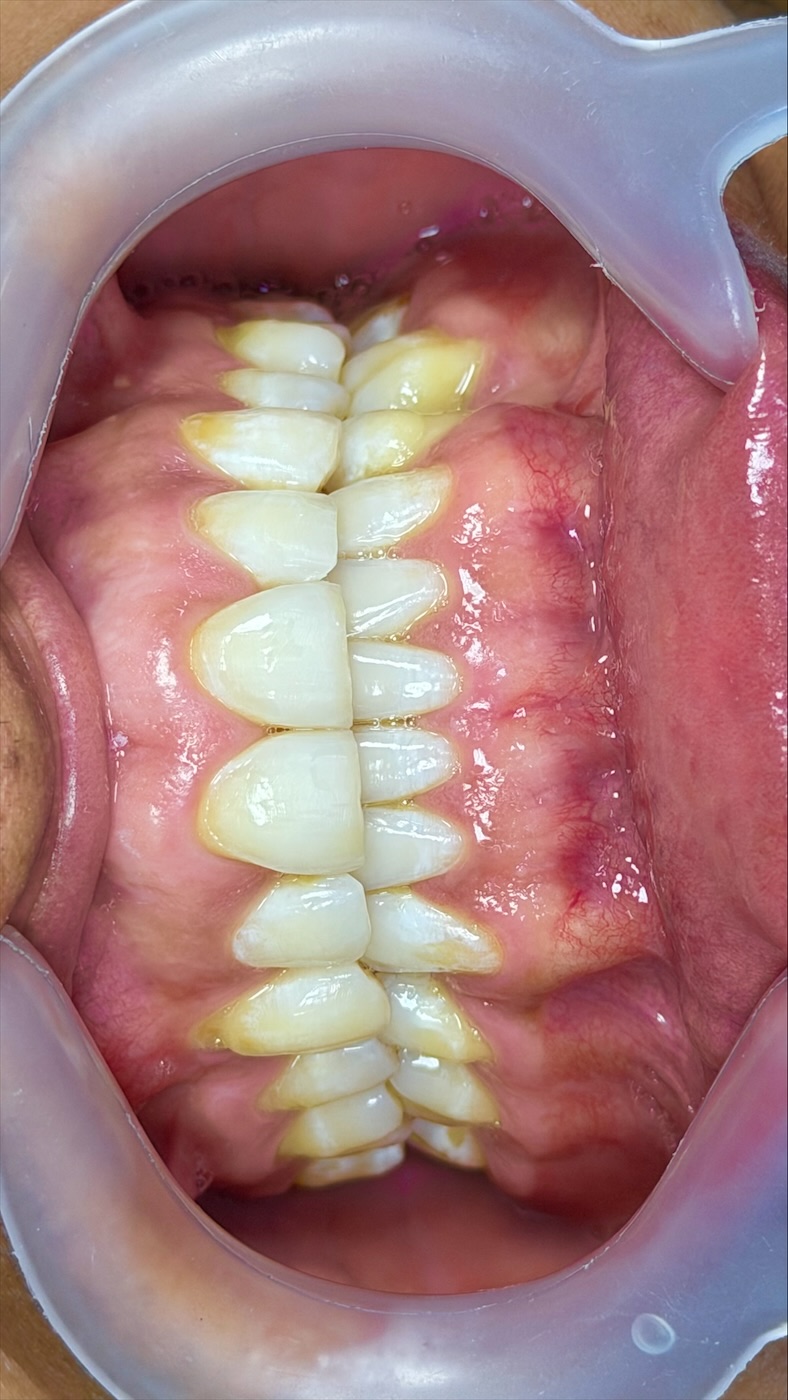
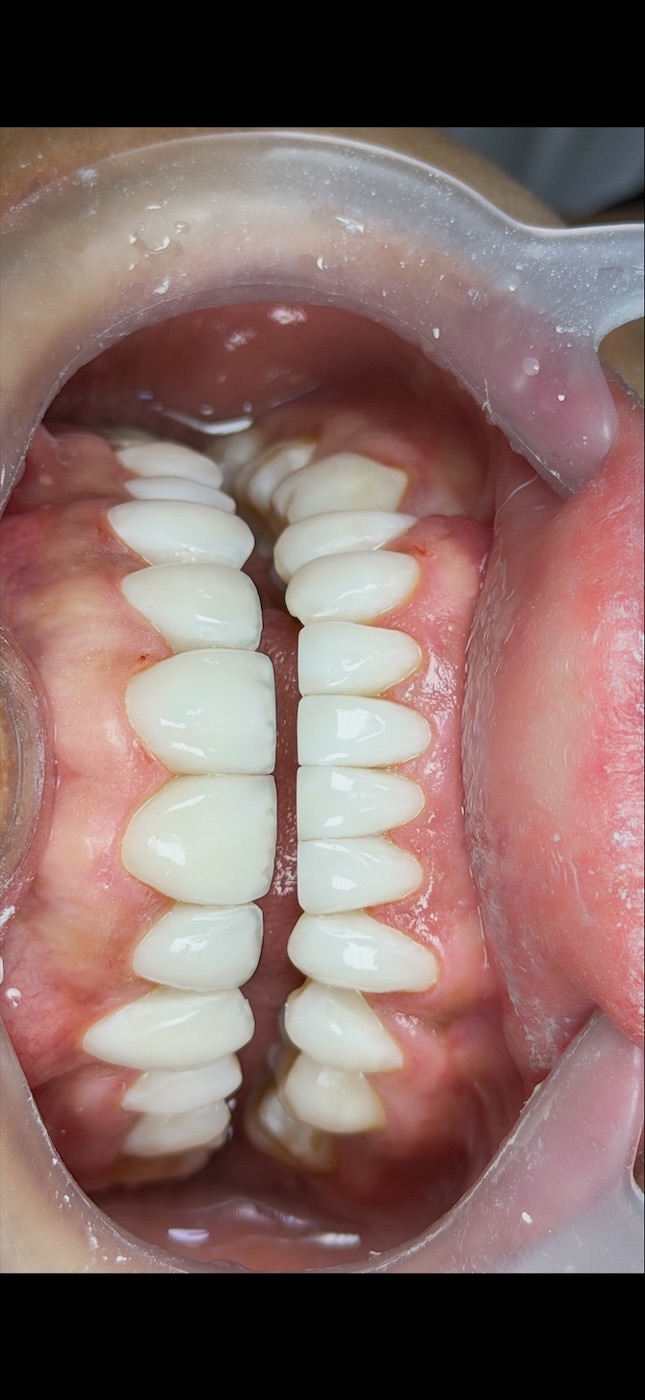
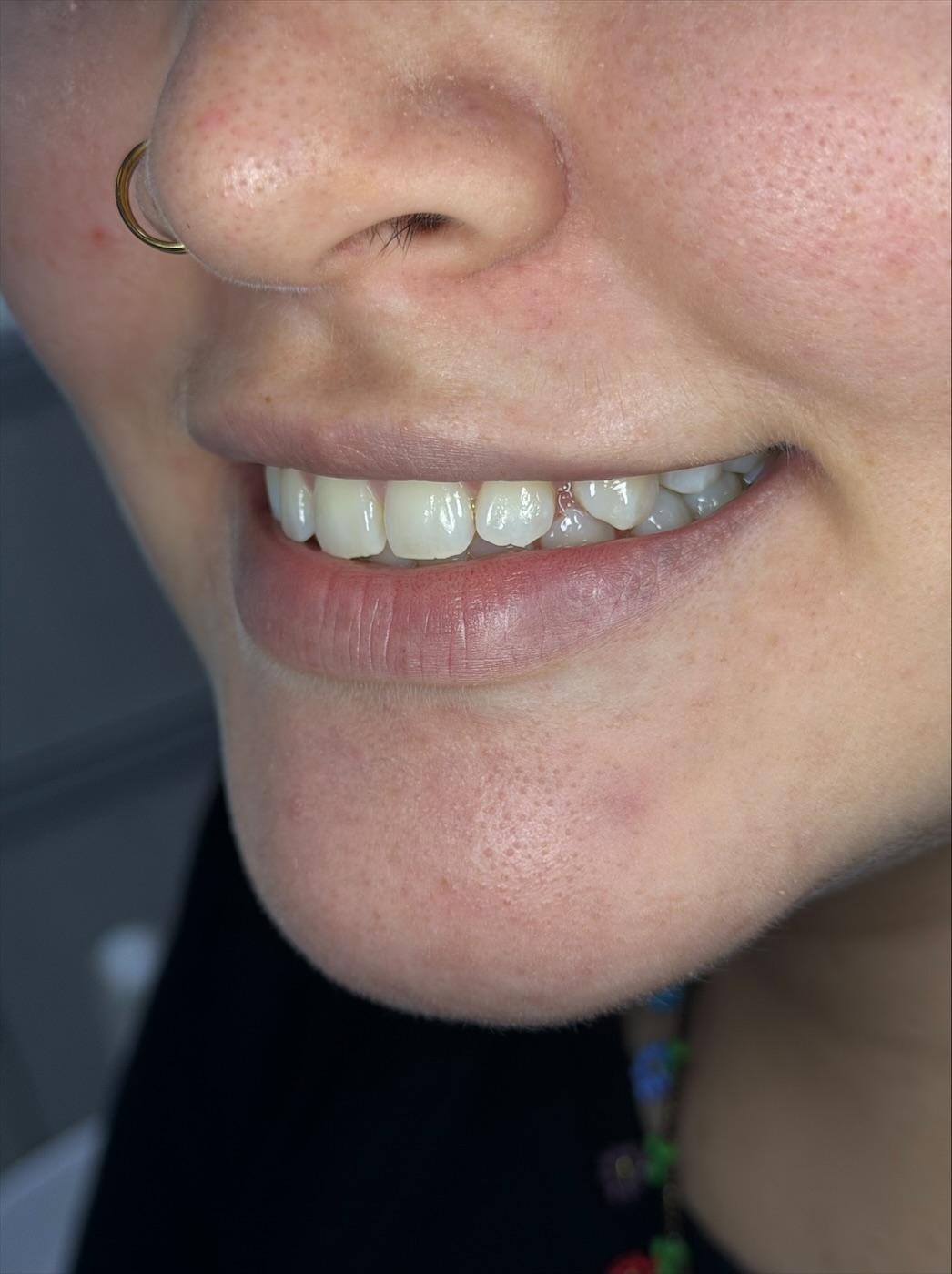
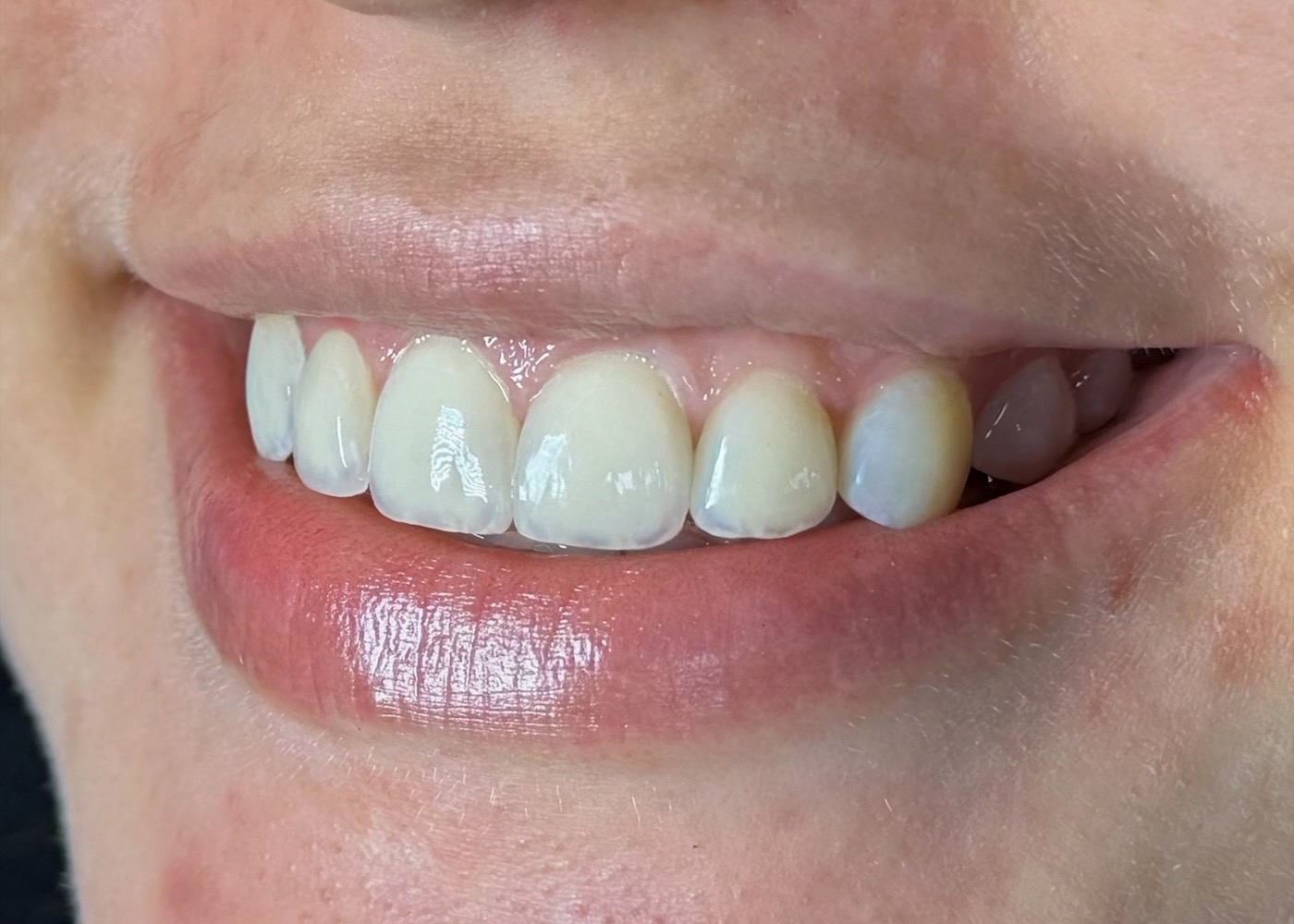
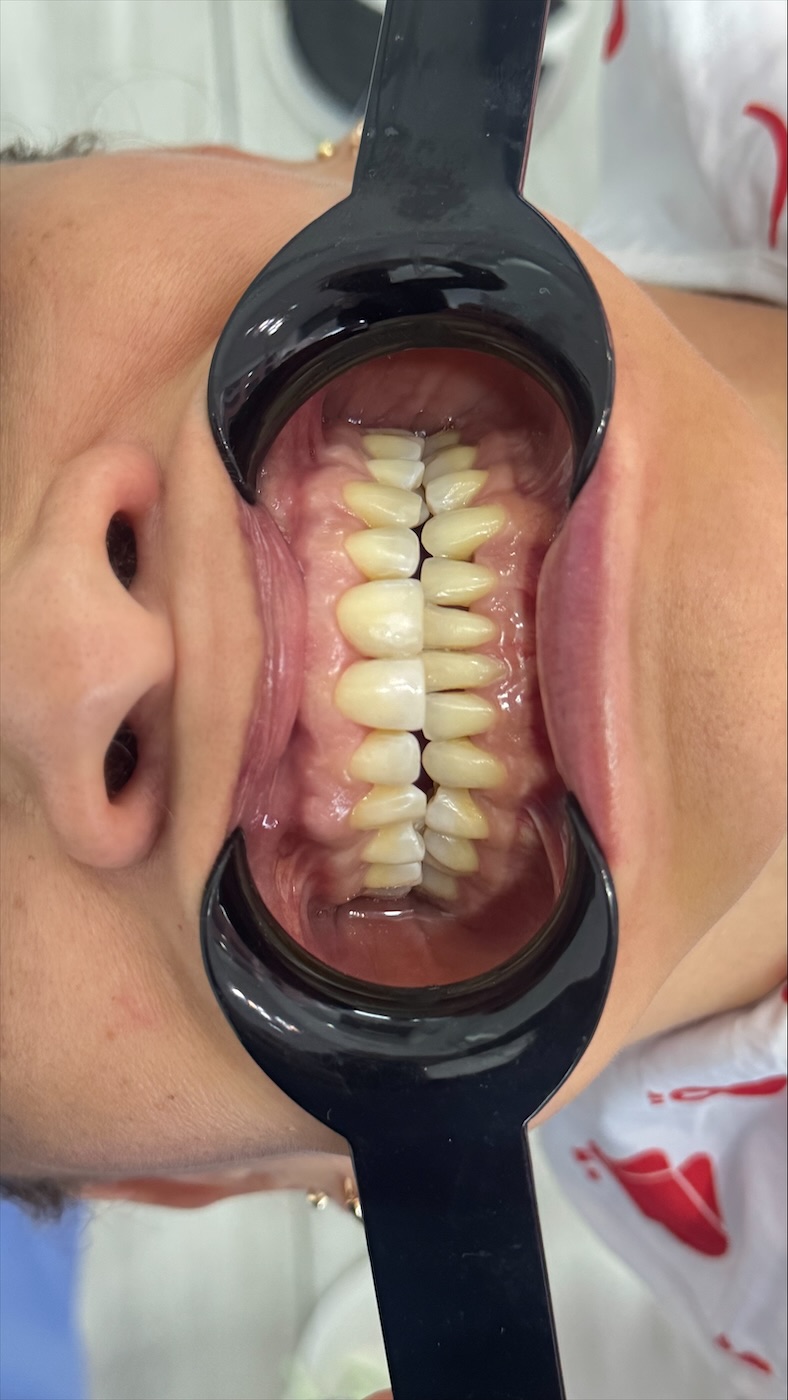
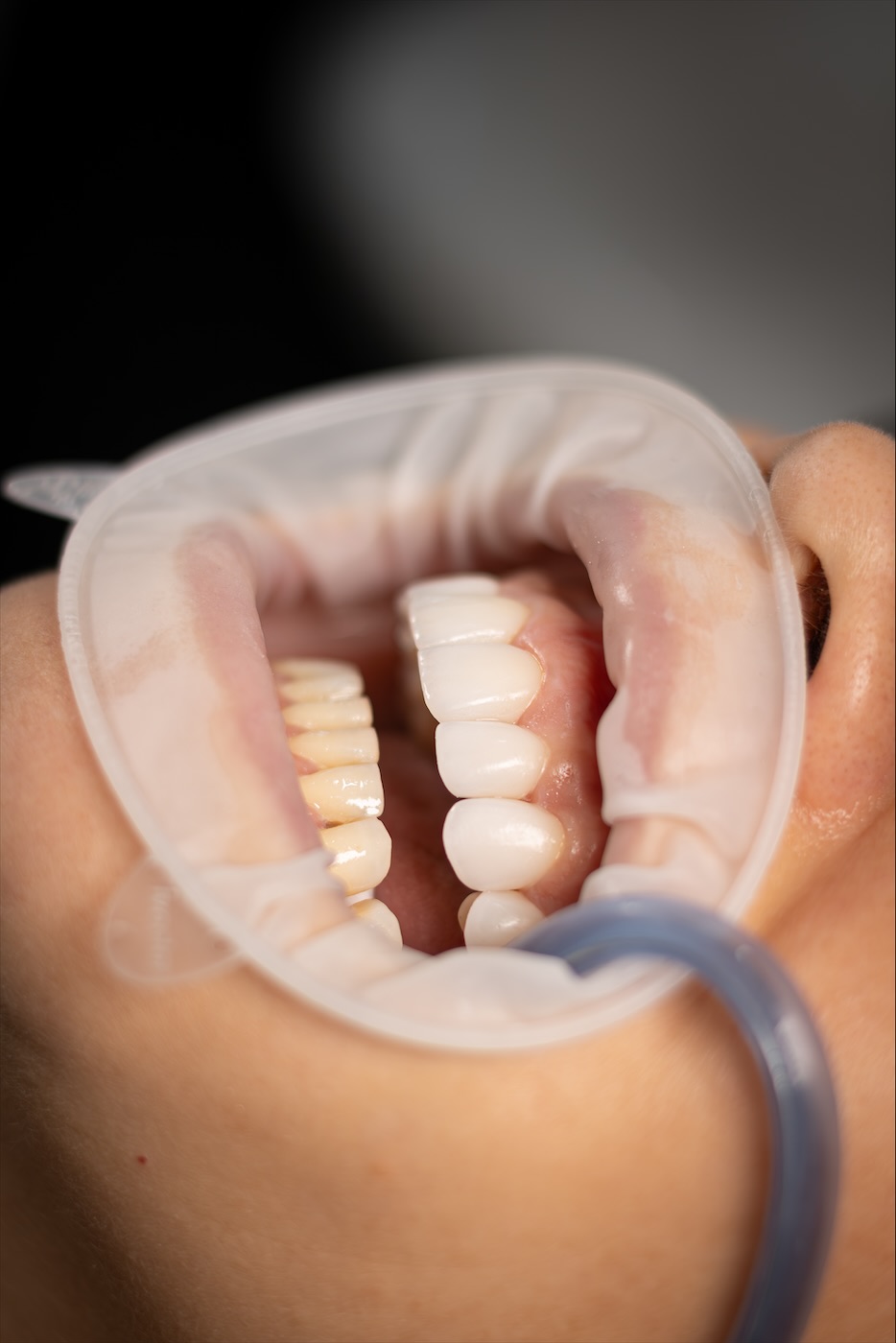
Before and after: real cases from Cali
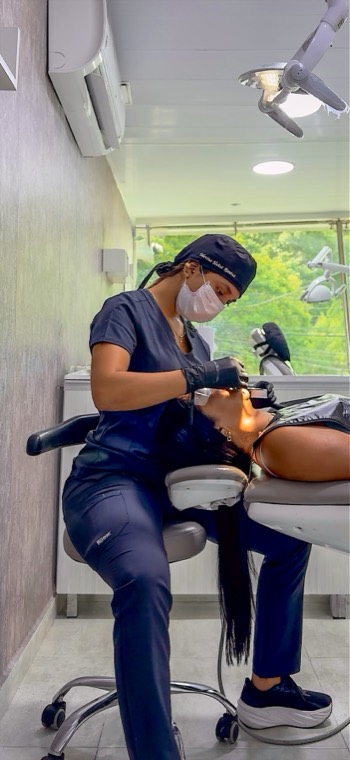
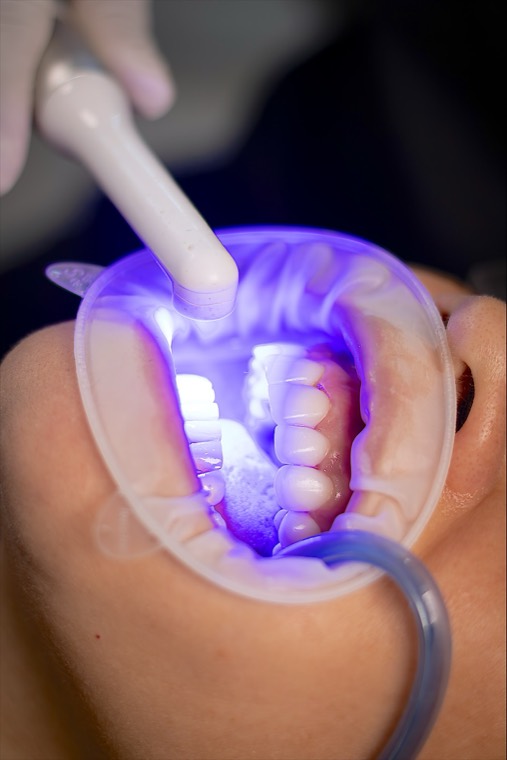
Untouched clinical photos of smile-design cases treated by Dra. Valentina Muñoz (materials vary by case — ceramic or composite is chosen after diagnosis).
E.max or composite?
If you want the longest-lasting colour and gloss, ceramic is usually the better investment. If budget or time is tight, composite can be an excellent first step. See Porcelain vs composite veneers.
Get a personalised smile plan before you book a flight.
Send a few photos on WhatsApp. Dra. Valentina will reply in English with options, timing and a written estimate.
Message on WhatsApp